
How Does the Balanced Body Reformer Compare to Other Reformer Brands?
Balanced Body Reformer Compare to Other Reformer Brands
If you’re a Pilates enthusiast with enough space at home and the right budget, owning your own Reformer can be a fantastic way to improve your practice. But it’s a major investment, so how do you choose the right model for your needs? The Pilates community can be notoriously tribal, with adherents of more traditional and contemporary styles favoring specific makes of Reformers. In addition, many of the same Pilates exercises can feel different depending on the equipment you use, so knowing how each brand’s settings influence and enhance your workout can help narrow down your options.
The two big names in balanced body reformer design are Gratz (known for its fidelity to Joe’s original plans and loved by more traditional practitioners) and Balanced Body (preferred by more contemporary crowds for its innovations and snazzy extras). Both offer similar features, including a variety of springs with varying resistance and a carriage that glides over the rails to aid movement.
But what sets them apart? To find out, we spoke to the founders of each company to learn about their machines’ history and how they’ve evolved over time. Here are the highlights:
Founded in 1998 by Pilates expert Ken Endelman, a former dancer and gymnast, Balanced Body has always put user safety at the forefront of its design. Its heirloom-quality equipment is designed with both beginners and pros in mind, offering a wide range of adjustability points to facilitate progress over time. The adjustable footbar, gear bar and shoulder blocks are designed to accommodate various body types, making it easy to find the ideal positioning for each exercise.
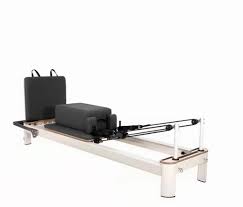
How Does the Balanced Body Reformer Compare to Other Reformer Brands?
As one of the OG Reformer brands, Gratz has long been the go-to for Pilates instructors and studios. With a nine-position locking footbar, five springs of varying tension and a comfortable carriage, this high-end machine is the standard in professional studios. The OG Allegro comes with a sticker shock price tag, but for those dedicated to their at-home practice, it’s a solid choice.
While the OG Allegro can achieve the same level of adjustability as its counterparts, the newer Flexia Reformer surpasses it in several ways. Unlike the Gratz, which has a fixed platform built into the Reformer and can only fit a hand or foot in its lowest position, the Flexia’s standing platform is fully removable. This significantly increases the range of available positions for the standing leg and enables a more stable stance for certain movements like lunges.
While the Gratz’s shoulder rests have two positions and attach to the carriage with a key-hole mechanism, the Flexia’s are more streamlined, with strong pegs that drop into precision molded holes for quick and accurate adjustment. The wider carriage on the Flexia also allows for more room to lie down, which can improve comfort and prevent rubbing or catching with the reformer’s rails during movement. The result is a more fluid and streamlined experience during each exercise.
Improper Attachment: Always ensure that the springs are securely attached to the pegs to avoid accidents. Never leave springs loosely connected, as they can snap back and cause injury. Not Adjusting for Different Exercises: Remember that different exercises require different resistance levels. Don’t use the same spring settings for every exercise—adjust as needed for the specific movement.