
What Are the Electrical Properties of Ceramic PCB Boards?
Electrical Properties of Ceramic PCB Boards
The name “ceramic” brings to mind images of pottery baking in a kiln, but this unique material has another important role to play. Ceramic PCBs have an inherent high thermal conductivity that helps them dispel heat from inner components, keeping devices cool and prolonging their lifespans.
This superior thermal performance is crucial for many electronic applications, especially those that require high power density or operate in harsh environments. ceramic pcb board also offer excellent electrical insulation properties, which reduces crosstalk and electromagnetic interference (EMI) issues.
Ceramic substrates are a common choice for high-speed data and circuitry boards. They can withstand a wide range of temperatures, are resistant to chemical degradation and corrosion, and have a low coefficient of thermal expansion. Additionally, they are able to accommodate high-frequency signals, which is beneficial for industries like defense and aerospace where devices must operate at very high speeds.
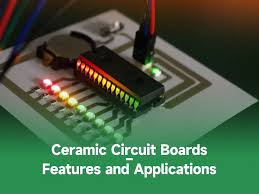
What Are the Electrical Properties of Ceramic PCB Boards?
Alumina is the most common type of ceramic used to manufacture PCBs. Its excellent thermal conductivity and low electrical impedance allow it to carry currents efficiently even at high operating temperatures. Its dielectric strength and low loss factor make it an excellent insulator, minimizing signal loss. Alumina is also very durable, making it ideal for long-term use in harsh environmental conditions.
Aluminum nitride (AIN) ceramic has similar properties as alumina, but with better electrical resistivity and higher thermal conductivity. It is often used in sensor circuits for automobiles, as it can withstand extreme temperatures and high mechanical stress. In addition, AIN’s CTE matches well with silicon semiconductor chips, ensuring consistent and accurate sensor signal transmission.
Beryllium oxide is another ceramic material that offers excellent conductivity, lower thermal resistance, and a very low coefficient of expansion. It is often used in high-speed data and circuitry boards, such as DDR SDRAM memory modules. It is also used in aerospace, automotive, and military electronics.
Ceramic PCBs are often encapsulated or packaged to provide extra protection and extend their shelf life. They may also be subjected to thermal shock testing to ensure that the internal circuitry can withstand high-temperature fluctuations and harsh operating conditions.
The manufacturing process of ceramic PCBs involves etching copper from the surface, followed by a tin plating step to remove excess copper and establish conducting areas and connections. Due to the high operating temperature required for soldering, ceramic PCBs must be manufactured using a specialized solder paste and stencils that can withstand these temperatures without compromising the substrate’s integrity. In addition, the copper layers on a ceramic substrate must be carefully sized and aligned to minimize the stresses that occur during the soldering process. For these reasons, it is recommended that you work with a manufacturer that specializes in producing ceramic PCBs. They will be able to ensure that your products are made with the best materials and are produced to your exact specifications.