
What is the lifespan of flex circuit boards?
lifespan of flex circuit boards
The lifespan of flex circuit boards varies depending on the environment they are used in. They are designed to withstand repeated bending, but they can still be damaged under certain conditions. They can also be exposed to harsh chemicals, shock and vibration, or extreme temperatures. These factors need to be considered in the design process of the circuit board, and they should be reflected in the material selection and fabrication process.
A flex circuit board has a flex circuit boards polyimide or polyester film substrate with conductive copper traces etched on it. The etching process can take place either through laser or chemical etching. It also includes a dielectric layer that insulates the conductive layers, and a coverlay that protects the circuit from moisture and dirt. The surface finish is also important, as it can prevent the copper from oxidizing and provides a solderable surface. The most common finish for a PCB is Electroless Nickel Immersion Gold (ENIG), which is used on about 80% of all boards.
Compared to rigid PCBs, flex circuits are much lighter and more flexible, making them an excellent choice for products that need to be small and lightweight. They can also accommodate a wider range of components, as they have slimmer profiles. However, they may have limitations with component density and thickness due to the fact that they can’t be made as long or wide as traditional PCBs.
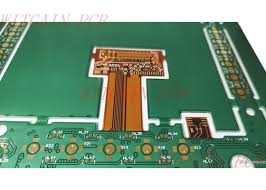
What is the lifespan of flex circuit boards?
Flex circuits are often used in medical devices because of their durability and ability to withstand repeated bending. They can also withstand temperature extremes and acids, which makes them ideal for use in industrial applications. Rigid flex circuits are also widely used in automotive and aerospace products, consumer electronics, and wearable technology.
While flex circuits offer numerous advantages over rigid PCBs, they are more complex to design and require special care in fabrication. PCB manufacturers need to be aware of the issues involved with this type of assembly, so they can avoid mistakes that can lead to malfunctions.
Some of the most common errors are caused by improper design and stack-up. The stack-up is the arrangement of layers in a flexible circuit board. If this isn’t done properly, it can cause issues with signal integrity and rework. The layered structure of a flex circuit is critical to the life of the board, so it’s crucial to understand what is involved.
The life of a flex circuit depends on the type of product, bending radius, and materials. It’s also important to avoid stress points in the flex circuit, such as plated through hole vias in the bend area. These stresses can result in cracks and failure of the copper traces. To minimize these risks, it’s recommended to use upgraded PI film that has better resistance to humidity and tears. It’s also important to store a flex circuit board in a controlled environment that is free from extreme temperatures and humidity. This will extend the lifespan of the circuit and keep it from deteriorating or losing its performance.