
How to Ensure Quality Control in PCB Prototype Assembly
Ensure Quality Control in PCB Prototype Assembly
Within the printed circuit board (PCB) industry, the maxim ‘quality over quantity’ carries elevated significance. For electrical engineers, product designers, and procurement professionals, the ability to rely on quality PCB prototype assembly is a prerequisite for success in their respective fields. Strictly adhering to a high standard of quality control throughout every facet of the PCB production process is an essential part of this pursuit, and it can only be achieved through thorough inspection processes.
Whether it be for prototyping or high-volume production, the implementation of effective inspection processes is a key factor in ensuring reliable PCB assemblies. Such inspections serve to weed out any issues that may be present prior to moving forward with larger production runs, thereby saving money on costly rework and field failures. In fact, these inspection processes often lead to valuable feedback that can then be used to make further improvements in the production process and bolster the overall quality of the finished product.
The ability to maintain a high standard of quality in PCB assembly is an all-encompassing concept, and it starts with the incorporation of DFM principles in the design stage. Then, it continues through the selection of components and materials that are both cost-efficient and future-proofed. It also involves the use of a modular design philosophy, which ensures that the underlying structure of the prototype can be easily altered as technology advances, thereby mitigating the risk of obsolescence and extending the life cycle of the prototype.
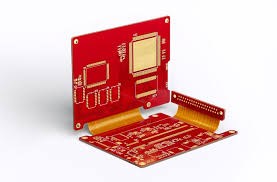
How to Ensure Quality Control in PCB Prototype Assembly
Moreover, it’s essential to ensure that the manufacturing capacity of PCB manufacturers is adequate before moving on to the assembly phase. This involves examining the manufacturer’s capabilities, verifying the Bill of Materials, and evaluating the schematic drawings provided by the customer to see if they match up. Additionally, the quality of fundamental manufacturing methods like blasting and metallization can have an impact on the final outcome, so it’s important to scrutinize these as well.
In addition to visual inspection, the ability to conduct X-ray and electrical testing should be a prerequisite for any PCB service provider. X-ray inspection allows for a closer look at the internals of the PCB to check for any hidden defects, while electrical testing tests for continuity, resistance, and correctness of component placement. In-circuit testing (ICT) is an excellent method for checking these parameters on a prototype basis, as it is fast and accurate.
Lastly, the level of technical support and communication offered by PCB prototype services can also play a crucial role in determining the quality of the final product. Responsive services that offer insightful support tend to deliver better-quality prototypes, as they will have the resources and knowledge necessary to address any issues with ease. Ultimately, a comprehensive approach to assessing quality and reliability in prototype pcb assembly is the only way to ensure that the end-product will perform as intended. This means rigorous testing and verification of all aspects of the prototype, from the accuracy of the initial engineering documents through the adherence to established standards during the fabrication and assembly phases.