
What are the 3 steps in the flex rigid pcb manufacturer process?
3 steps in the flex rigid pcb manufacturer process
Flex rigid PCB manufacturing represents a sophisticated blend of flexible and rigid board technologies, offering a versatile solution for various electronic applications. The process of creating these complex circuit boards involves several meticulous steps, each crucial to ensuring the final product meets the stringent requirements of modern electronics. Let’s delve into the three key steps that define the flex rigid PCB manufacturing process.
The first step in theflex rigid pcb manufacturer process is the design and engineering phase. This stage is where the foundation of the entire project is laid, and careful consideration is given to the specific requirements and constraints of the application. Design engineers collaborate closely with clients to understand their needs, functionality expectations, and environmental factors.
During the design phase, engineers leverage specialized software to create a detailed blueprint of the flex rigid PCB layout. They determine the optimal arrangement of flexible and rigid sections, define the routing paths for electrical connections, and incorporate any necessary components or features. Design considerations also include factors such as signal integrity, thermal management, and mechanical stability.
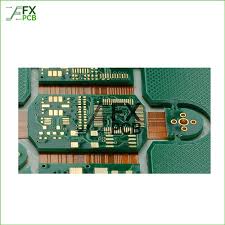
What are the 3 steps in the flex rigid pcb manufacturer process?
Once the initial design is complete, it undergoes thorough review and validation to identify any potential issues or areas for improvement. This iterative process ensures that the final design meets the desired performance specifications and complies with industry standards and regulations.
With the design finalized, the next step in the flex rigid PCB manufacturing process is fabrication. This phase involves transforming the design concept into physical reality through a series of precise manufacturing techniques and processes. Fabrication begins with the selection of high-quality materials suited to the specific requirements of the project.
The fabrication process typically starts with the production of individual flexible and rigid board layers using specialized substrates such as polyimide or FR-4. These layers are then laminated together using heat and pressure to create a single, unified structure. Advanced techniques such as laser drilling and mechanical milling are employed to create vias, traces, and other features with precision and accuracy.
Throughout the fabrication process, strict quality control measures are implemented to ensure the integrity and reliability of the finished product. Each step is carefully monitored, and any deviations from the specified tolerances are promptly addressed to maintain consistency and compliance with the design requirements.
The final step in the flex rigid PCB manufacturing process is assembly and testing. This phase involves the integration of electronic components onto the fabricated PCBs to create functional assemblies. Assembly technicians carefully place and solder components onto the PCB surface or utilize automated assembly equipment for high-volume production.
Once assembly is complete, the assembled PCBs undergo rigorous testing to verify their functionality, reliability, and performance. Various testing methods, including electrical testing, thermal cycling, and environmental testing, may be employed to ensure that the flex rigid PCBs meet or exceed the specified requirements.
Throughout the assembly and testing process, quality assurance procedures are strictly adhered to, and any defects or discrepancies are identified and addressed promptly. The goal is to deliver high-quality flex rigid PCB assemblies that meet the exacting standards of the client and perform reliably in their intended application.
In conclusion, the flex rigid PCB manufacturing process encompasses a series of intricate steps, each vital to the creation of high-performance circuit boards. From design and engineering to fabrication, assembly, and testing, manufacturers employ advanced techniques and stringent quality control measures to deliver reliable and durable flex rigid PCB solutions for a wide range of electronic applications.