
What are the benefits of using EMI/RFI shielding in Pcb assembly companies?
benefits of using EMI/RFI shielding in Pcb assembly companies
EMI/RFI (Electromagnetic Interference/Radio Frequency Interference) shielding plays a crucial role in PCB (Printed Circuit Board) assembly companies by providing protection against electromagnetic radiation and minimizing the risk of interference in electronic devices. EMI/RFI shielding encompasses various techniques and materials designed to attenuate electromagnetic emissions and prevent external interference from disrupting the operation of sensitive electronic circuits. The implementation of effective EMI/RFI shielding offers several benefits that contribute to the reliability, performance, and compliance of PCB assemblies.
One of the primary benefits of using EMI/RFI shielding in pcb assembly companies is the mitigation of electromagnetic interference, which can cause malfunctions, signal degradation, and performance issues in electronic devices. With the proliferation of wireless communication technologies, electronic devices are increasingly susceptible to interference from external sources such as electromagnetic fields generated by nearby equipment, power lines, or radio frequency (RF) transmissions. EMI/RFI shielding acts as a barrier, attenuating electromagnetic radiation and preventing it from penetrating or coupling into sensitive circuits, thereby safeguarding the integrity of signal transmission and reception.
Moreover, EMI/RFI shielding helps ensure compliance with regulatory standards and electromagnetic compatibility (EMC) requirements, which are essential for market acceptance and product certification. Regulatory agencies such as the Federal Communications Commission (FCC) and the International Electrotechnical Commission (IEC) impose strict limits on electromagnetic emissions from electronic devices to minimize the risk of interference with other equipment and ensure coexistence in shared electromagnetic environments. By incorporating EMI/RFI shielding measures into PCB designs, assembly companies can demonstrate compliance with regulatory standards and EMC requirements, thereby facilitating market access and enhancing product reliability and safety.
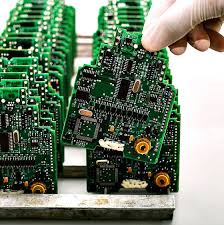
What are the benefits of using EMI/RFI shielding in Pcb assembly companies?
Furthermore, EMI/RFI shielding contributes to improved signal integrity and performance of electronic circuits by reducing the effects of electromagnetic noise and crosstalk. In densely populated PCBs with multiple high-speed signals and sensitive analog or digital circuits, electromagnetic interference can degrade signal quality, introduce jitter, and compromise data integrity. EMI/RFI shielding helps mitigate these effects by containing electromagnetic fields within shielded enclosures or layers, minimizing cross-coupling between adjacent traces, and reducing the susceptibility of components to external noise sources. This enhances the overall reliability and performance of PCB assemblies, particularly in applications where signal integrity is critical, such as telecommunications, aerospace, and medical devices.
Additionally, EMI/RFI shielding can improve the security and confidentiality of electronic devices by preventing unintended electromagnetic emissions that could be intercepted or exploited for eavesdropping or data theft purposes. In sensitive applications such as military and defense, financial transactions, and telecommunications infrastructure, protecting against electromagnetic eavesdropping is essential for safeguarding sensitive information and maintaining operational security. EMI/RFI shielding helps create a secure electromagnetic environment by containing electromagnetic emissions within shielded enclosures or layers, preventing external interception and ensuring the confidentiality of transmitted data.
Moreover, EMI/RFI shielding can enhance the robustness and reliability of electronic devices in harsh operating environments by providing protection against electromagnetic interference, electrostatic discharge (ESD), and environmental hazards such as moisture, dust, and mechanical shock. Shielded enclosures or layers help shield sensitive components and circuits from external disturbances, preventing damage or malfunctions that could result from exposure to electromagnetic radiation, ESD events, or environmental contaminants. This improves the overall durability and longevity of PCB assemblies, reducing the risk of premature failure and minimizing costly downtime or repairs in mission-critical applications.
In conclusion, the benefits of using EMI/RFI shielding in PCB assembly companies are manifold, encompassing improved electromagnetic compatibility, signal integrity, regulatory compliance, security, and reliability of electronic devices. By incorporating EMI/RFI shielding measures into PCB designs, assembly companies can mitigate the risk of electromagnetic interference, ensure compliance with regulatory standards, enhance signal performance and security, and improve the durability and resilience of electronic products in diverse operating environments. As electronic devices continue to proliferate and evolve, the importance of EMI/RFI shielding in PCB assembly will remain paramount for achieving optimal performance, reliability, and market acceptance.