
What file formats does a flexible PCB supplier accept?
file formats does a flexible PCB supplier accept
Finding the right flexible PCB supplier can be a daunting task. But if you know what to look for, the process can be easier. This article will discuss some tips to help you select the best flex PCB supplier for your company’s needs.
The first thing you need to look for in a flexible pcb supplier is experience. If a supplier has been in the business for a long time, they are more likely to be reliable and have established a good reputation. However, newcomers can also be considered, but they must be able to prove that they can meet your requirements.
Next, you should check the quality of their products. You can do this by visiting their website and reading through customer feedback. In addition, you can ask about their delivery and shipping methods. This will ensure that your flex PCBs arrive safely and intact.
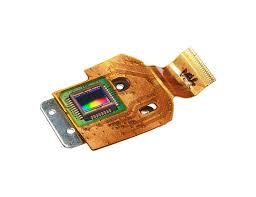
What file formats does a flexible PCB supplier accept?
Lastly, it is important to know what file formats your supplier accepts. This is because the files that are required for manufacturing a PCB are different from the ones used for design purposes. These files are known as Gerber files and are a set of manufacturing instructions that a PCB manufacturer uses to create the board. This includes information such as the layer stackup, copper traces, and drill holes.
A gerber file is an ASCII file that contains the data needed to make a PCB. It is typically generated by a PCB design software program and exported in a format that can be read by the manufacturer’s equipment. The gerber file is an essential part of the design process, and without it, a PCB cannot be made correctly.
Rigid-flex circuits are essentially the same as rigid printed circuit boards, but they use a different base material, typically polyimide. This material is much more flexible than the woven fiberglass that is used in conventional rigid PCBs, and it can be stretched or bent without damaging the board.
The main conductor on a flex PCB is copper foil, and it can be either rolled and annealed (RA) or electro deposit copper foil (ED). RA copper has a column-shaped structure that makes it easy to work with during the etching process. ED copper, on the other hand, has a fish-scale structure that makes it inaccessible to roughening and etching processes.
A flex circuit board is usually assembled using solder, which is applied to the pads and traces on the surface of the board. It is then cured, which turns the solder into an electrically conducting metal. After that, it is plated with gold or silver to prevent oxidation and corrosion. A flex circuit board can be tested using various test instruments to ensure that it functions properly. If there is a problem with the board, the testing results can help the engineer find the source of the issue and correct it.