
What industries commonly use rigid flex boards?
industries commonly use rigid flex boards
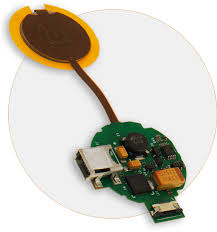
Rigid flex boards are hybrid printed circuit boards that combine the rigid sections of traditional PCBs with flexible traces. These components offer design versatility and increased reliability over conventional rigid and fully flexible PCBs. They are often used in medical devices, military and defense equipment, industrial automation systems, aerospace and avionics, telecommunications devices and other specialized electronics applications.
Unlike conventional Rigid flex boards, which are usually made from FR-4, flex PCBs are typically made of polyimide and other flexible substrate materials. They also feature multiple layers and plated through holes (PTH). The rigid section of the board supports components, while the flex portion allows for high-density stacking connections. These features make them ideal for use in a variety of applications where space is limited or the circuitry must be able to accommodate bending and other movement.
The encapsulated construction of rigid flex boards also reduces the number of interconnections and thus improves reliability. In addition, the use of flexible components in a rigid-flex board minimizes interference and noise. This is especially important for critical signals that need to be transmitted over long distances. Rigid flex PCBs can also provide better thermal performance and durability. They can incorporate heat sinks and thermal vias that draw away hot components, reducing the overall temperature of the assembly and improving stability.
What industries commonly use rigid flex boards?
While the advantages of a rigid-flex circuit board are many, they aren’t without their challenges. For example, the rigid portions of the PCB require tight tolerances and are difficult to assemble. They also require a more complicated and time-consuming prototyping process than conventional rigid PCBs. In addition, flex PCBs may be more expensive to fabricate than traditional rigid PCBs.
There are several factors that influence the cost of a rigid-flex board, including the number of layers, the materials used and the technology employed in the fabrication process. In addition, the complexity of the layout and the requirements for blind and buried vias can increase costs. Finally, the need for stiffeners or extra layers to prevent warping of the rigid sections can add to the price.
To keep the costs of a rigid-flex circuit board down, it’s crucial to choose a reputable manufacturer. A company that has a proven track record of meeting production deadlines and providing quality products is an excellent choice. Moreover, you should work with a manufacturer that offers a comprehensive range of services, such as designing, prototyping and assembly.
Rigid flex boards are highly versatile and are suitable for a wide range of applications, making them the preferred choice in a variety of industries. They are particularly suited for medical device applications, such as implantable medical devices, medical imaging equipment and surgical instruments. They are also commonly used in industrial robotics and wearable electronics. Rigid flex boards are also a popular option for military and aerospace equipment, as they can be manufactured to withstand harsh environments and rugged conditions.
If your product requires a rigid-flex circuit board, it’s vital to select a manufacturer that can meet your unique requirements. The best manufacturers will have extensive experience producing a variety of high-quality products for a range of industries. Their manufacturing facilities should be ISO certified and have the capacity to produce high-layer count flex boards. They should also have a strong reputation for delivering top-quality service and exceptional customer support.