
What role does flux play in Printed circuit board assembly manufacturer?
role does flux play in Printed circuit board assembly manufacturer
Flux plays a crucial role in the printed circuit board (PCB) assembly manufacturing process, facilitating the formation of reliable solder joints and ensuring the quality and integrity of electronic assemblies. Flux is a chemical cleaning agent that serves multiple functions during soldering, including removing surface oxides, promoting solder wetting, and preventing oxidation of metal surfaces.
One of the printed circuit board assembly manufacturer functions of flux is to remove oxides from metal surfaces, particularly those of the components and the PCB pads. Oxides form naturally on metal surfaces, especially those exposed to air, and can interfere with the formation of strong solder joints. Flux chemically reacts with these oxides, breaking them down and allowing the solder to bond directly with the clean metal surfaces. By removing oxides, flux ensures proper adhesion and conductivity of solder joints, enhancing the reliability of electronic connections.
In addition to oxide removal, flux promotes solder wetting, which is essential for achieving strong and reliable solder joints. Wetting refers to the ability of molten solder to flow and spread evenly across the surfaces being joined. Proper wetting ensures intimate contact between the solder and the metal surfaces, resulting in robust mechanical and electrical connections. Flux reduces the surface tension of the solder, allowing it to spread more easily and form uniform bonds with the component leads and PCB pads.
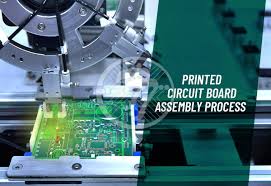
What role does flux play in Printed circuit board assembly manufacturer?
Furthermore, flux acts as a barrier to prevent the reformation of oxides during the soldering process. As the solder melts and flows onto the metal surfaces, it creates a protective layer of flux that shields the surfaces from exposure to oxygen in the surrounding atmosphere. This prevents the formation of new oxides, maintaining clean metal surfaces and ensuring optimal solderability throughout the soldering process. Without flux, solder joints may be prone to defects such as poor wetting, incomplete bonding, or weak adhesion, compromising the reliability and performance of the electronic assembly.
Moreover, flux helps to control the spread and flow of solder during the soldering process, preventing issues such as solder bridging or solder balls. Solder bridging occurs when solder inadvertently connects adjacent pads or leads, causing short circuits and compromising the functionality of the PCB. Flux acts as a surfactant, reducing the surface tension of the solder and preventing it from forming unintended connections. Similarly, flux helps to control the formation of solder balls, which are small blobs of solder that can become dislodged during reflow soldering and cause short circuits or reliability issues.
In summary, flux plays a multifaceted role in the PCB assembly manufacturing process, contributing to the formation of strong, reliable solder joints and ensuring the quality and integrity of electronic assemblies. By removing oxides, promoting solder wetting, preventing oxidation, and controlling solder flow, flux enables manufacturers to achieve consistent and high-quality soldering results. With proper flux application and control, PCB manufacturers can produce electronic assemblies that meet the stringent requirements of modern technology and consumer expectations for reliability and performance.